We are a young NGO from Finland committed to raising awareness on stroke and the risk factors of stroke. We got our name “Kiharusi” from East Africa. It means “stroke” in Swahili.
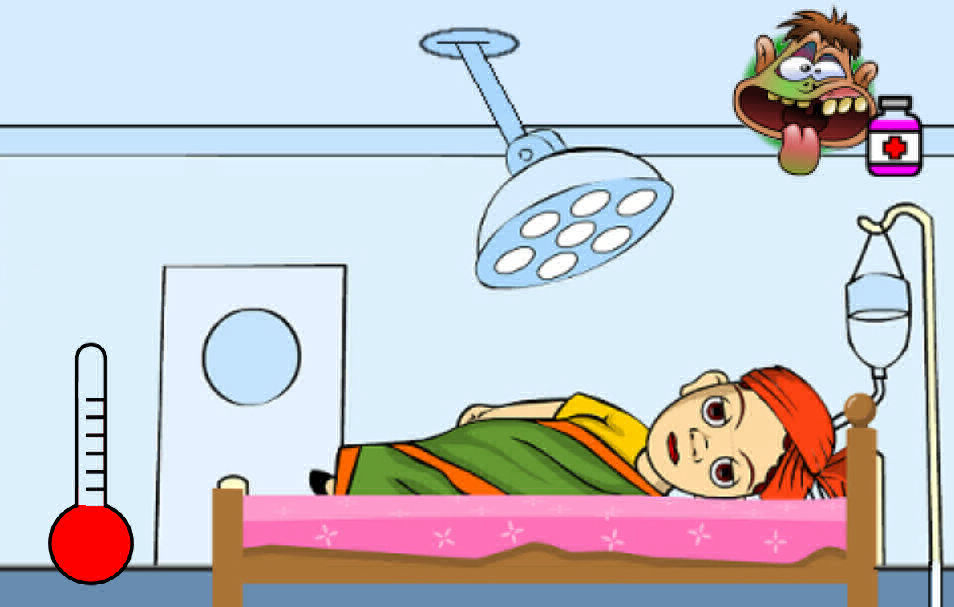
Schoolkids like to read cartoons of Neema and learn to recognize symptoms of stroke at same time. You may follow Neema’s story in our YouTube videos and “Stroke Survival Game in East Africa”. 15 million people suffer stroke worldwide each year. Of these, 5 million die and another 5 million are permanently disabled. Globally one in four people over age 25 will have a stroke in their lifetime.
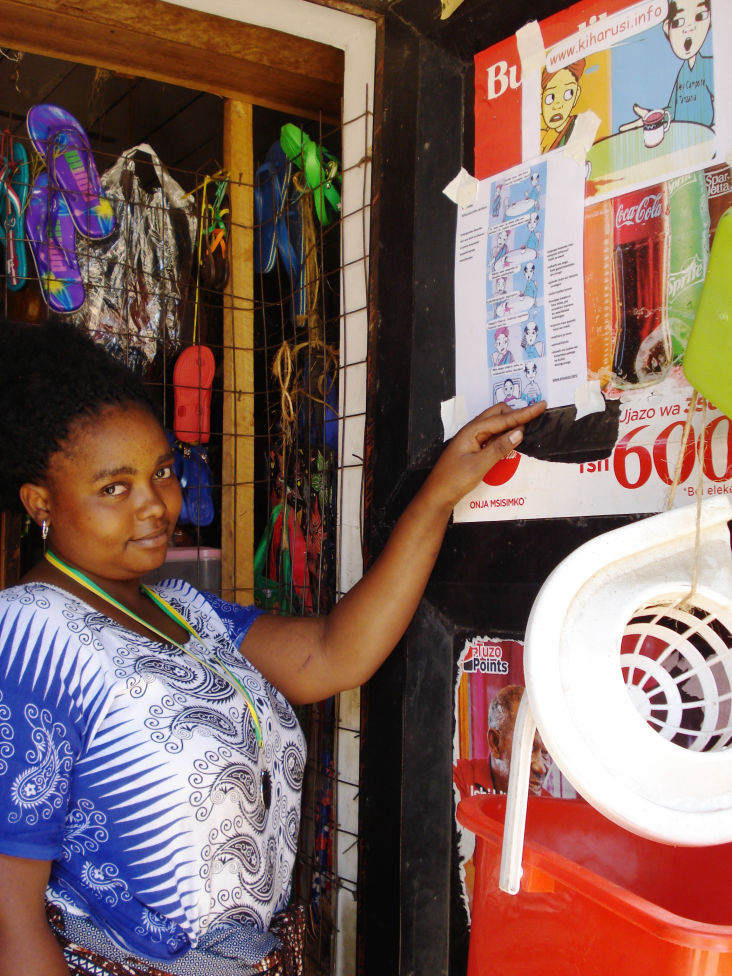
Iringa is a friendly and welcoming city in the Southern Highlands of Tanzania with an excellent climate for those who appreciate nature and outdoor life. Kiharusi brochures are on display in many public places in Iringa. Shopkeeper Elisabeth tells that many customers are learning about stroke symptoms and why it is important to seek for professional medical assistance urgently after a stroke.
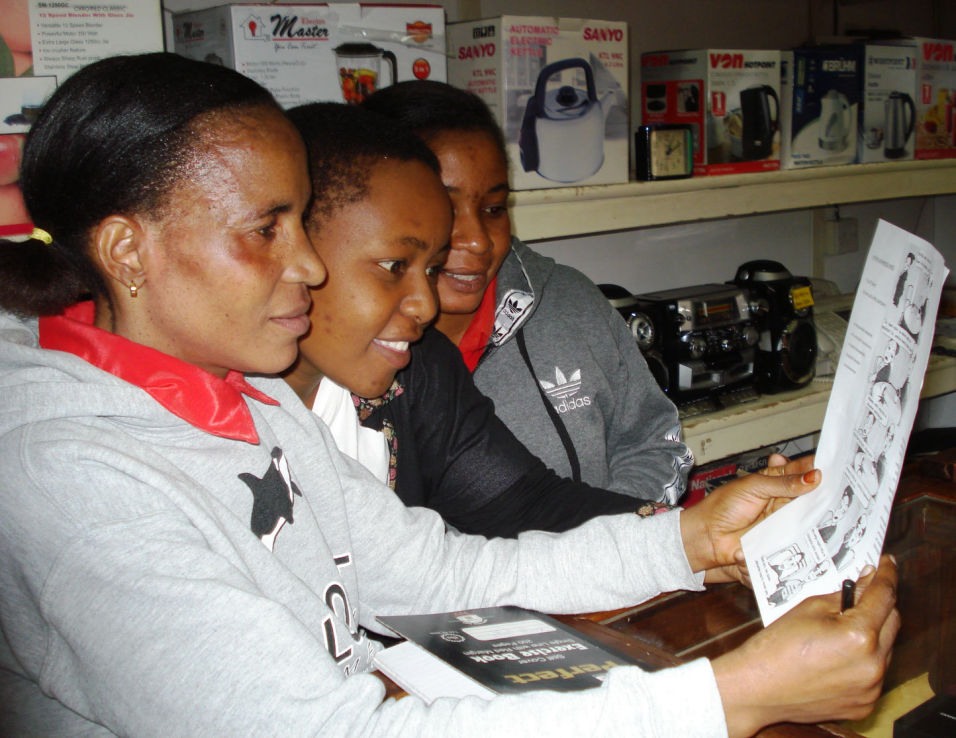
Janeth Ngaga, Silvia Mandela & Rehema David, staff of Topshop Ltd, learning about stroke. Topshop is situated in the busy shopping street of Jamat in Iringa. No more wondering what is going on: if somebody falls ill on the street, Janeth and others are able to quickly recognise the symptoms of stroke. Stroke is often mistakenly associated to old age. 8 % of all strokes occur in people under 44 years of age.
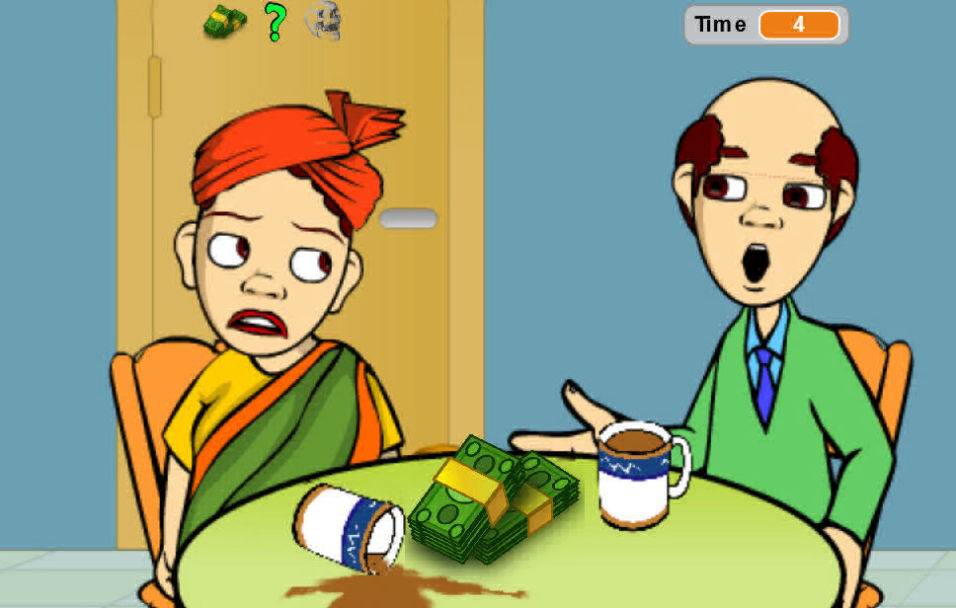
At level 1 You must encounter barriers before getting to the hospital. There are many obstacles that prevent Tanzanians from getting hospital care when needed: signs and symptoms of stroke may not be recognised and family and friends may be against hospitalisation because hospital care is expensive and transport is difficult to arrange. The disease is also often believed to be caused by the spirits that need to be appeased.
At level 2 You must overcome barriers of negative attitudes and a lack of resources in the regional hospital before admission to the hospital. You are likely to see that the hospital staff doesn’t recognise stroke as a medical emergency and they don’t take your emergency seriously, or that the treatment takes a long time because of a lack of staff or hospital beds. The hospital is probably full and the only available toilet is out of order. The only physician of the hospital happens to be out of town today, and the equipment for screening is broken, or none of the available staff members can use it. You may also not find any equipment at all.
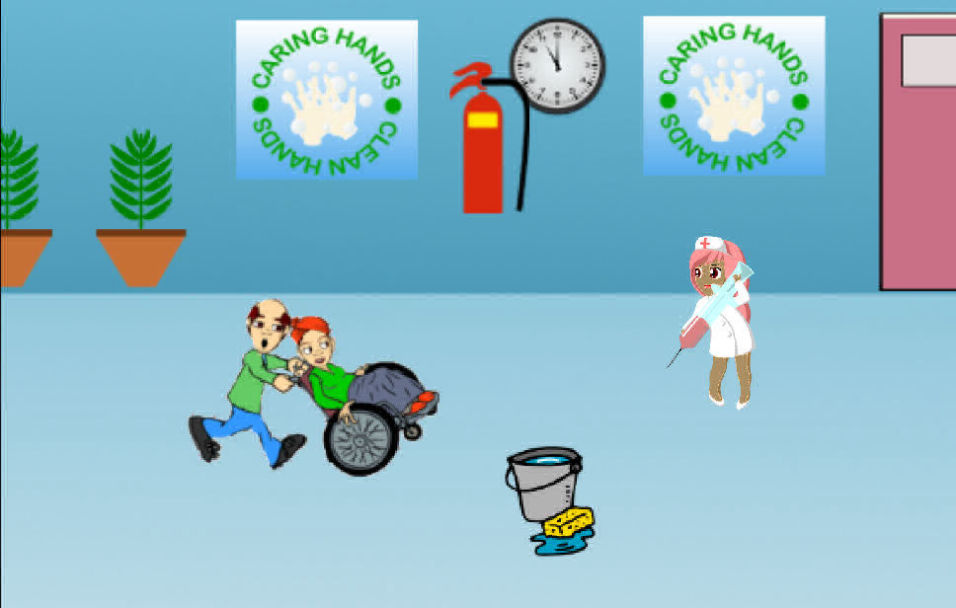
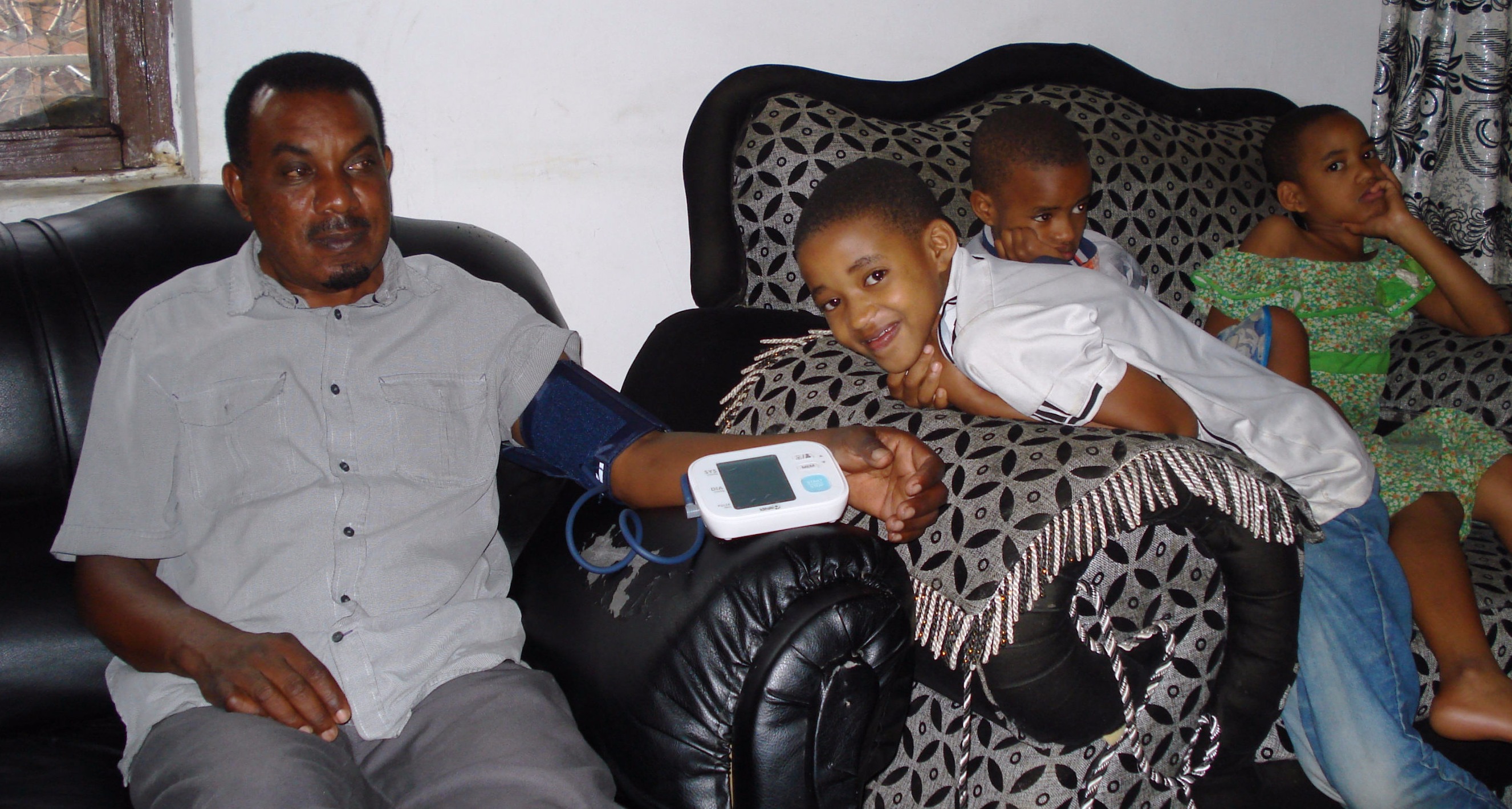
At level 3 You must answer critical questions about inpatient stroke care: Is swallowing function screened before offering food, drink, or oral medication? Have dangers of falling been eliminated and has the patient been kept in bed 24 hours before assisting the patient to get up and move a little? Have blood pressure, nutrition, hydration and glucose levels been monitored?
Has the patient been monitored for fever, urinary tract infection and possible recurrent stroke? Has the patient’s personal hygiene been taken care of for the prevention of infections and has s/he been assisted to eat if the patient is able to eat? Are aspirin therapy and anticoagulation appropriate treatments after the diagnosis of ischemic stroke? Have family members been trained to check the patient’s pulse, assist the patient to eat and move around safely?